
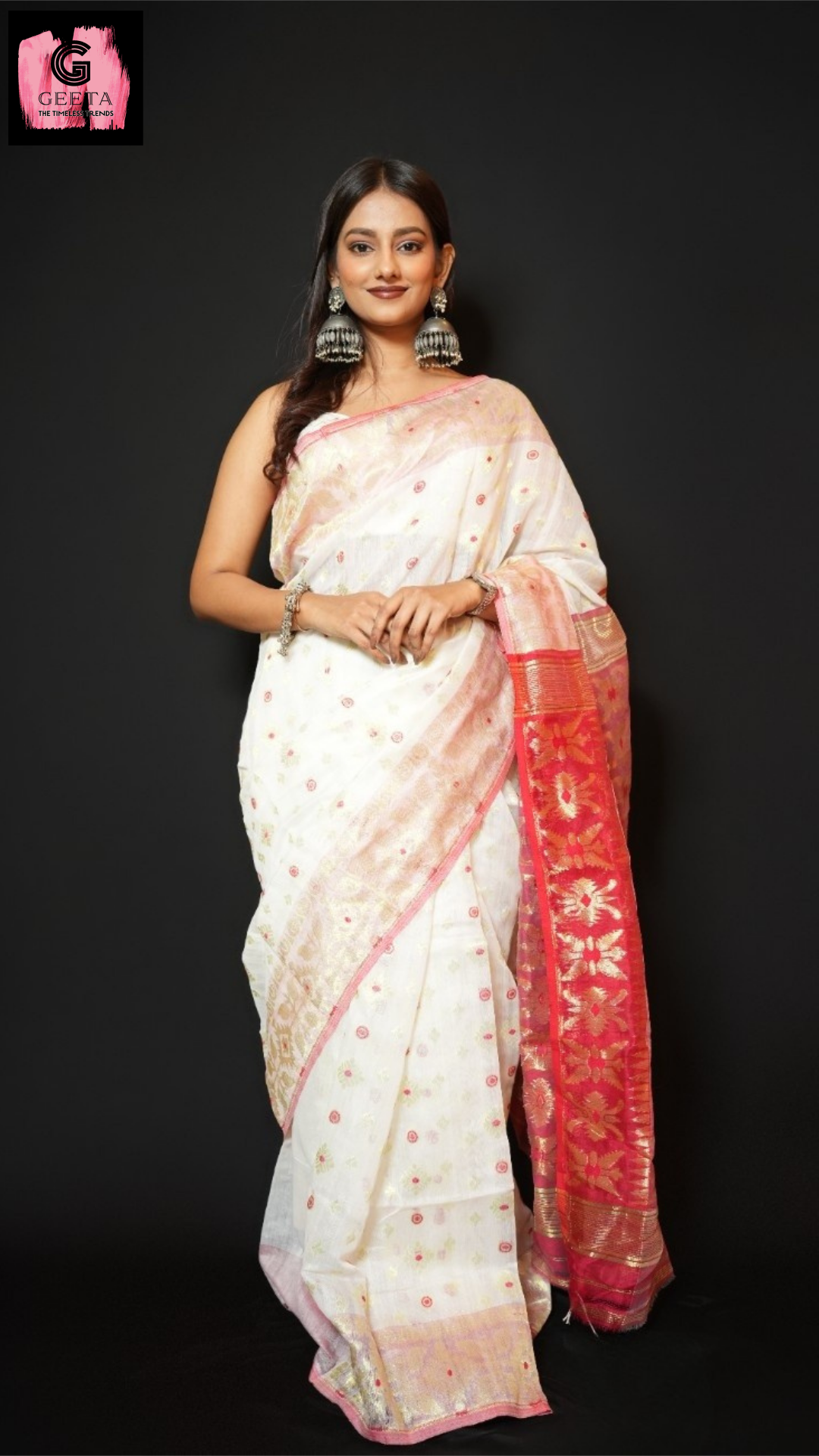
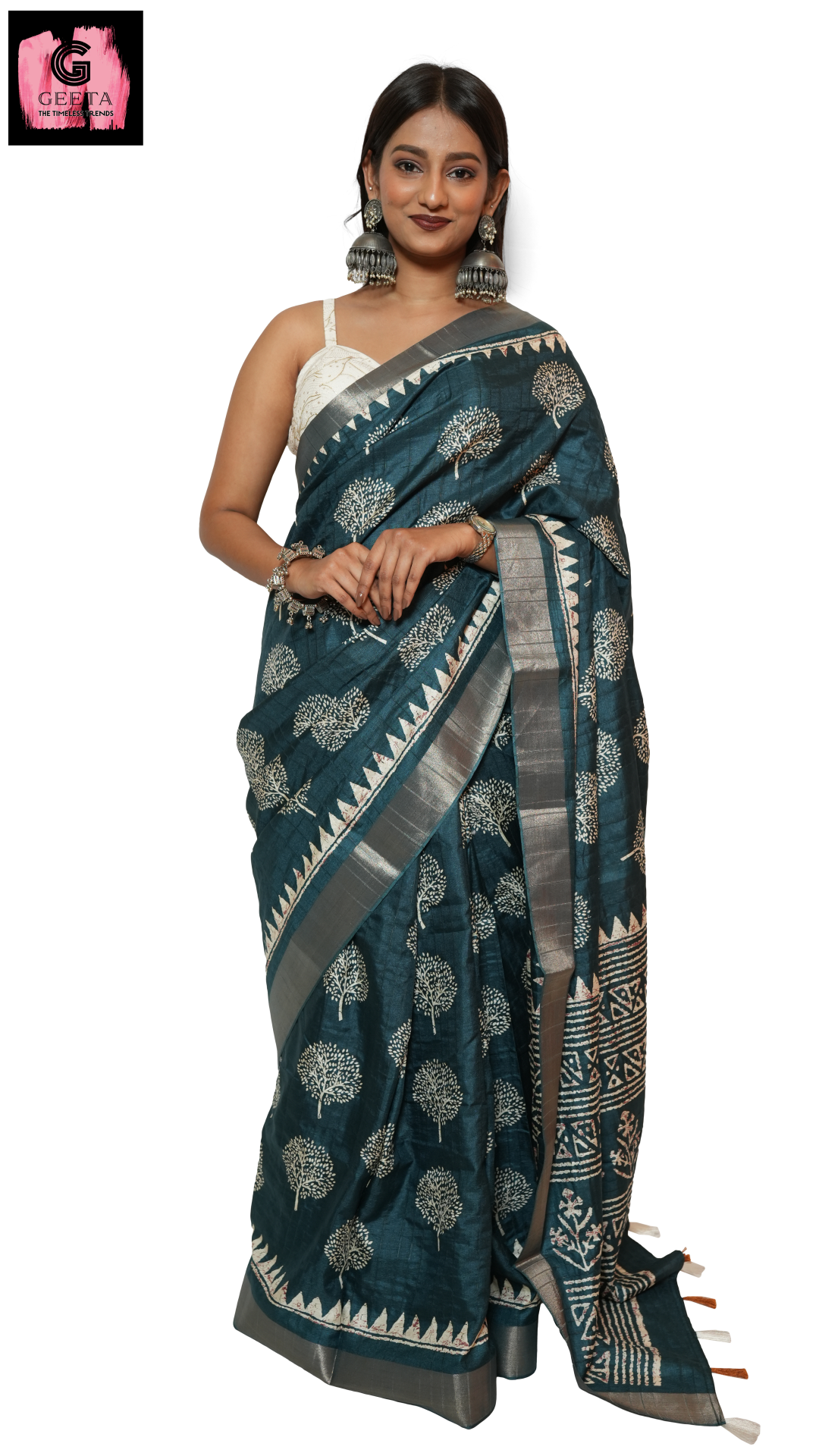
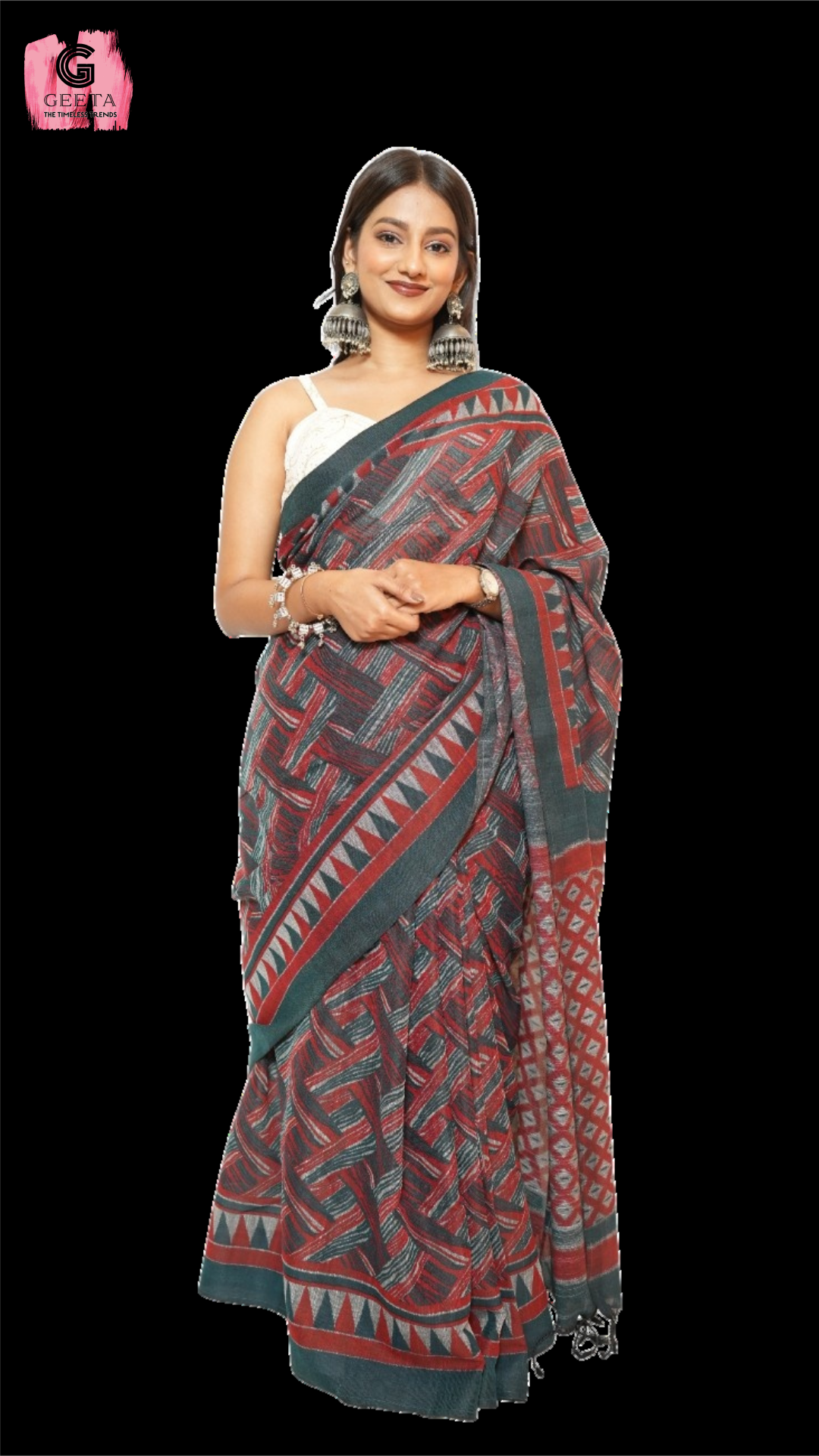
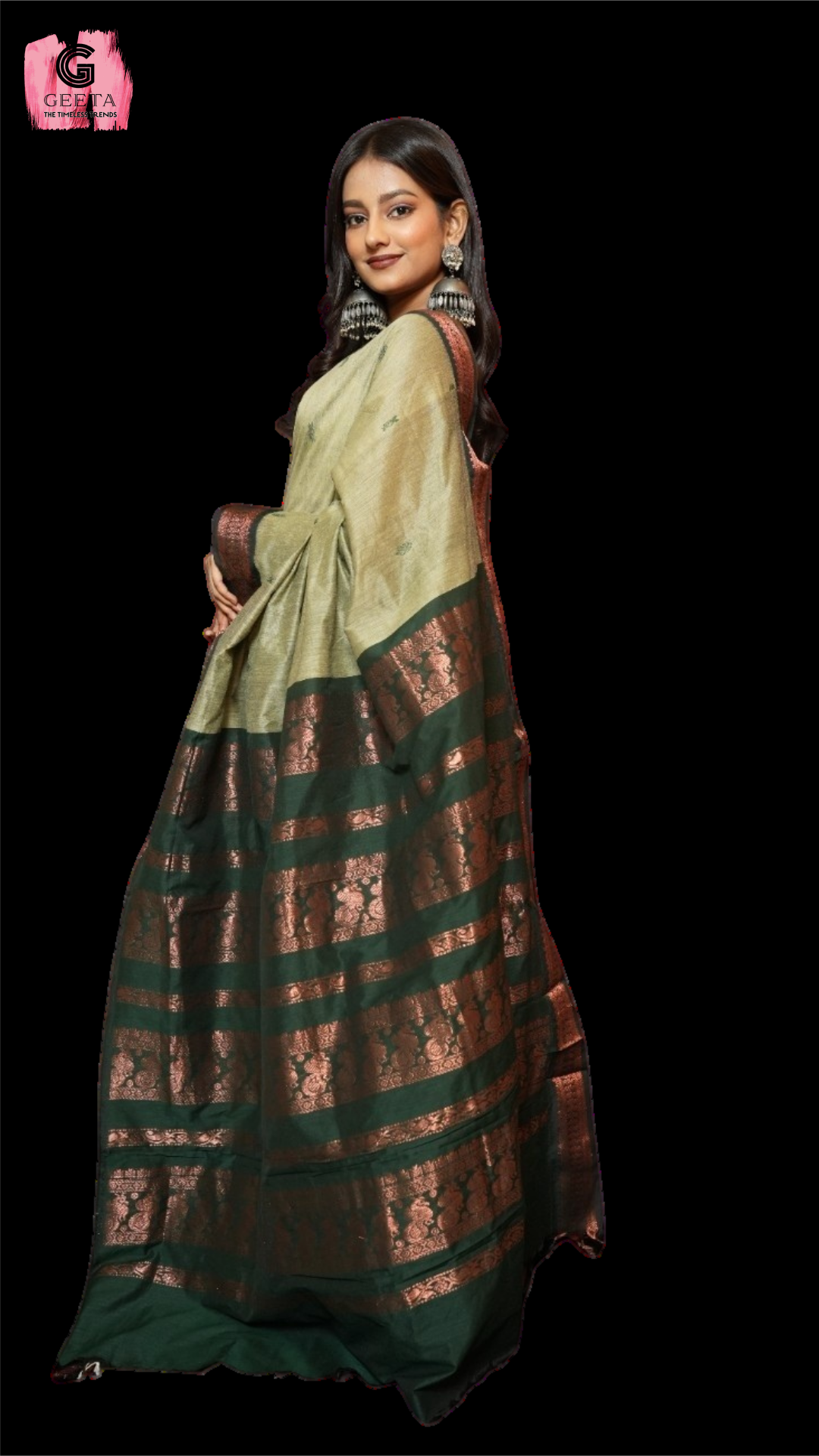

How to Wash and Care for a Khadi Cotton Saree Without Ruining It
Khadi cotton sarees are loved for their breathability, natural texture, and timeless character. With every wear, the fabric can become softer and more comfortable, but only when it is washed, dried, and stored correctly.
Why Khadi Cotton Needs Gentle Care
Khadi is handspun and handwoven, so its texture may be slightly uneven. This is part of its beauty, not a defect. Harsh detergents, hot water, rough scrubbing, and direct sunlight can weaken the fibers, cause fading, and affect the saree’s shape.
1. Check the Saree Before Washing
Before washing, inspect the saree for stains, loose threads, embroidery, zari, tassels, or printed sections. If the saree is heavily embroidered, antique, naturally dyed, or especially delicate, professional dry cleaning is the safest option.
2. Test for Color Bleeding
Dampen a white cotton cloth with cold water and gently press it on a hidden area of the saree. If color transfers onto the cloth, avoid soaking the saree and choose professional cleaning instead.
3. Hand Wash in Cold Water
Fill a clean basin with cold water. Add a small amount of mild liquid detergent designed for delicate fabrics. Avoid bleach, fabric softener, strong detergents, and detergent powders that may leave residue.
Place the saree in the water and gently move it through the basin. Do not scrub, twist, or rub the fabric against itself. Let it soak for no longer than five minutes unless the care label recommends otherwise.
4. Treat Stains Carefully
Do not apply strong stain removers directly to khadi cotton. Blot the stain gently with a clean, damp cloth, apply a tiny amount of mild detergent to the reverse side, press lightly with your fingertips, and rinse the area with cold water.
5. Rinse Thoroughly
Rinse the saree in clean, cold water until the water runs clear and no detergent remains. Leftover detergent can make the fabric stiff and may attract dust.
6. Remove Excess Water Without Twisting
Do not wring or twist the saree. Place it between two clean towels and press gently to absorb excess water. You can also lift it carefully and allow the water to drain naturally.
7. Dry It in the Shade
Hang the saree in a shaded, well-ventilated area. Avoid strong, direct sunlight, which may fade natural dyes and dark colors. Do not use a tumble dryer, radiator, or hair dryer.
For heavier sarees, spread the fabric over a clean drying rack to prevent stretching. Avoid sharp clips that may leave marks.
8. Iron at a Low Temperature
Iron the saree while it is slightly damp, using a low or medium cotton setting. Place a thin cotton cloth between the iron and the saree, particularly over printed, embroidered, or dyed areas. Always iron on the reverse side when possible.
9. Store It Properly
Before storing, make sure the saree is completely dry. Fold it loosely and refold it occasionally to prevent permanent creases. Store it in a clean cotton or muslin bag rather than plastic, which can trap moisture.
- Keep it away from damp walls.
- Avoid direct sunlight.
- Keep perfume and cosmetics away from the fabric.
- Avoid rough wooden surfaces and metal hooks.
For sarees with zari, fold them with the decorative side inward to reduce tarnishing.
10. How Often Should You Wash a Khadi Saree?
A khadi saree does not need to be washed after every wear unless it has been exposed to sweat, stains, or moisture. Air it in the shade after wearing and allow it to rest before folding.
Frequent washing can gradually affect the color and texture, so gentle airing and careful spot cleaning are preferable for lightly worn sarees.
Common Mistakes to Avoid
- Washing in hot water
- Using bleach or strong detergent
- Scrubbing the fabric
- Twisting or wringing the saree
- Drying it in harsh sunlight
- Storing it while damp
- Spraying perfume directly onto the fabric
- Ironing at a very high temperature
Final Thoughts
A khadi cotton saree becomes more beautiful with age when it is cared for patiently. Gentle hand washing, shade drying, low-temperature ironing, and breathable storage will help preserve its texture, color, and shape for many years.